Best Poker Software 2026: Trackers, HUDs & Tools
Picking the best poker software starts with one question: what does this tool actually do during your session? A tracker logs hands into a database. A HUD surfaces those stats live at the table. A solver or equity calculator works away from the table to sharpen your ranges. A fourth, riskier category — in-hand assistants like NZT Poker — suggests an action while the hand is still live. Knowing which bucket a tool falls into matters more than any feature list, since it decides whether the software is even allowed on your room.
How We Rate Poker Tracking Software and HUDs
Every tool on this hub gets scored against the same five criteria, so a tracking app and a solver end up measured on comparable terms. I weigh accuracy of the stat engine, how steep the learning curve is for a new user, whether the room's terms of service actually permit the tool, real pricing versus free alternatives, and how vendors support paying customers when something breaks.
- Accuracy — does the stat engine or solver output match known baselines and independent testing?
- Learning curve — can a mid-stakes grinder get useful output in under an hour?
- Compliance — is the tool permitted under the target room's terms of service?
- Pricing — one-time license, subscription, or consumable credits, and what that costs per hour of play
- Support — documentation, update frequency, and how vendors handle bugs or bans
Poker Management Software: Trackers and HUDs
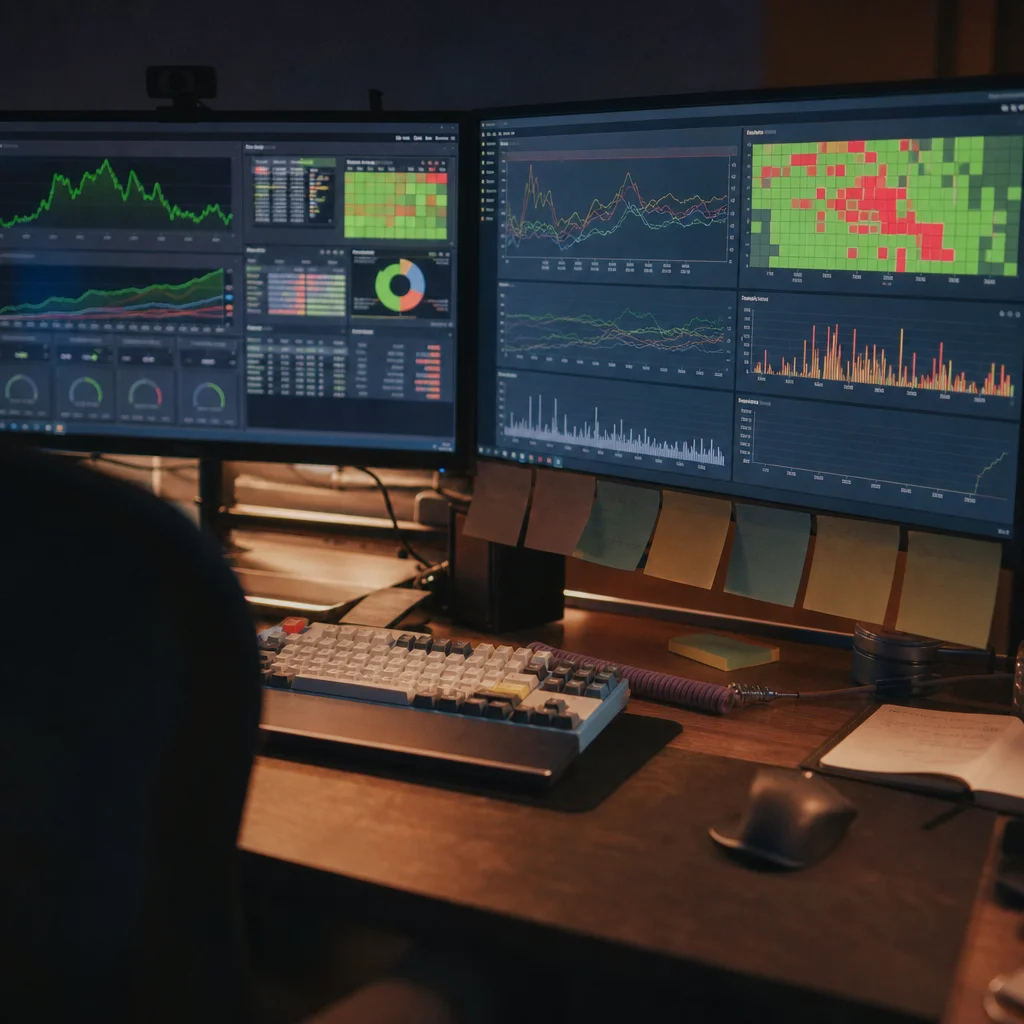
Poker management software — trackers and HUDs — forms the backbone of most serious players' toolkits. A tracker like PokerTracker or Hold'em Manager logs every hand into a database you can mine for leaks. In my experience running a tracker across thousands of hands, the real value isn't the live overlay — it's the post-session review that catches a leak weeks before you'd notice it yourself. We cover PokerTracker's pricing and verdict on its own review, so I won't repeat that here. (see PokerTracker's official site).
A HUD takes that same database and displays it live, next to each opponent's seat. Hand2Note, DriveHUD and EliteHUD do this within the rules on rooms that permit HUDs — a different category from an in-hand assistant, since a HUD only shows data and leaves the decision to you. Our HUD guide walks through reading those stat clusters at the table, so treat this page as the map and that one as the manual.
Equity Calculators and Solvers: Equilab, Flopzilla, ICMizer
Away from the table, a different set of tools does the analytical work. Equilab software calculates raw equity between ranges — useful for seeing how often AK beats a calling range. Flopzilla breaks down how a range connects with a specific board, showing why one flop hits a range harder than another. ICMizer handles tournament math, converting chip stacks into real prize-pool value near the bubble. None of these run live during a hand — they're study tools, which is exactly why they stay within every room's rules.
Study Tools vs. In-Hand Tools
Where In-Hand Assistants Like NZT Poker Fit
A smaller category of software skips study entirely and suggests a fold, call, or raise while the hand is still open. NZT Poker works this way, running alongside club apps like PokerBros and PPPoker to return a live recommendation plus pot-odds and equity for the exact spot you're in. That's a different trade than a tracker or solver offers: real-time assistance is banned under nearly every room's terms of service, and detection typically means account closure and forfeited balance. If structured GTO study is what you want instead, NZT's GTO Poker Bench is one option worth exploring, alongside dedicated trainers like GTO Wizard.
Matching Software to Your Game
Grinding cash games on a regulated site? Start with a tracker and a compliant HUD — they compound over thousands of hands. Tournaments are your focus? ICMizer's bubble math teaches more in a week than months of guessing. Beginners often get more from Equilab's range drills before touching a HUD, since the underlying concepts need to click first. Worth stacking multiple tools at once? In my opinion, yes — once you're comfortable reading the first one's output.
Want a Closer Look at NZT Poker?
One option worth exploring if you're curious how in-hand assistance and GTO study tools compare.
Explore NZT PokerDisclosure: This page contains affiliate links. We may earn a commission at no extra cost to you.
Frequently Asked Questions
What is the best poker tracking software?
Is Equilab accurate?
How do you use Equilab?
Is Flopzilla worth it?
How do you use ICMizer?