
GTO Wizard Guide: Plans, Trainer and Real Value
I had a student once who could recite flop c-bet frequencies to the decimal and still punted a stack three-betting light from the blinds. That gap — between knowing a number and using it — is the whole reason a good gto wizard guide has to start with a warning: the tool is not the skill. GTO Wizard is a precomputed solver database wrapped in a browser trainer, built for players who want drill reps and instant chart lookups without running their own solves. That's a different category from in-hand assistance tools like NZT Poker, which read a live hand and suggest an action at the table — worth knowing before you decide what problem you're actually solving.
What the GTO Wizard Trainer Actually Does
GTO Wizard doesn't solve anything while you watch. It ships with a massive library of pre-run solutions across formats — cash, MTT, and spin games — so when you open a spot, you're querying a database, not waiting on a solver to grind. That's the entire value proposition: speed. You get a gtowizard preflop chart or a postflop node in under a second, instead of the minutes or hours a local solve on PioSolver would cost you. I've timed both workflows side by side during coaching sessions: a river spot that takes a fresh PioSolver run several minutes to converge on a single-table server resolves instantly in GTO Wizard's database, because someone already paid that compute cost before you logged in. (see GTO Wizard's official site).
Here's the drill: open a random 100bb 6-max cutoff versus button 3-bet pot, turn a blank, and ask yourself what the solver does with second pair before you click. Hold that answer — we'll come back to it.
The Shortcut and Its Cost
Trainer vs. Live vs. Charts: How the Tool Splits Up
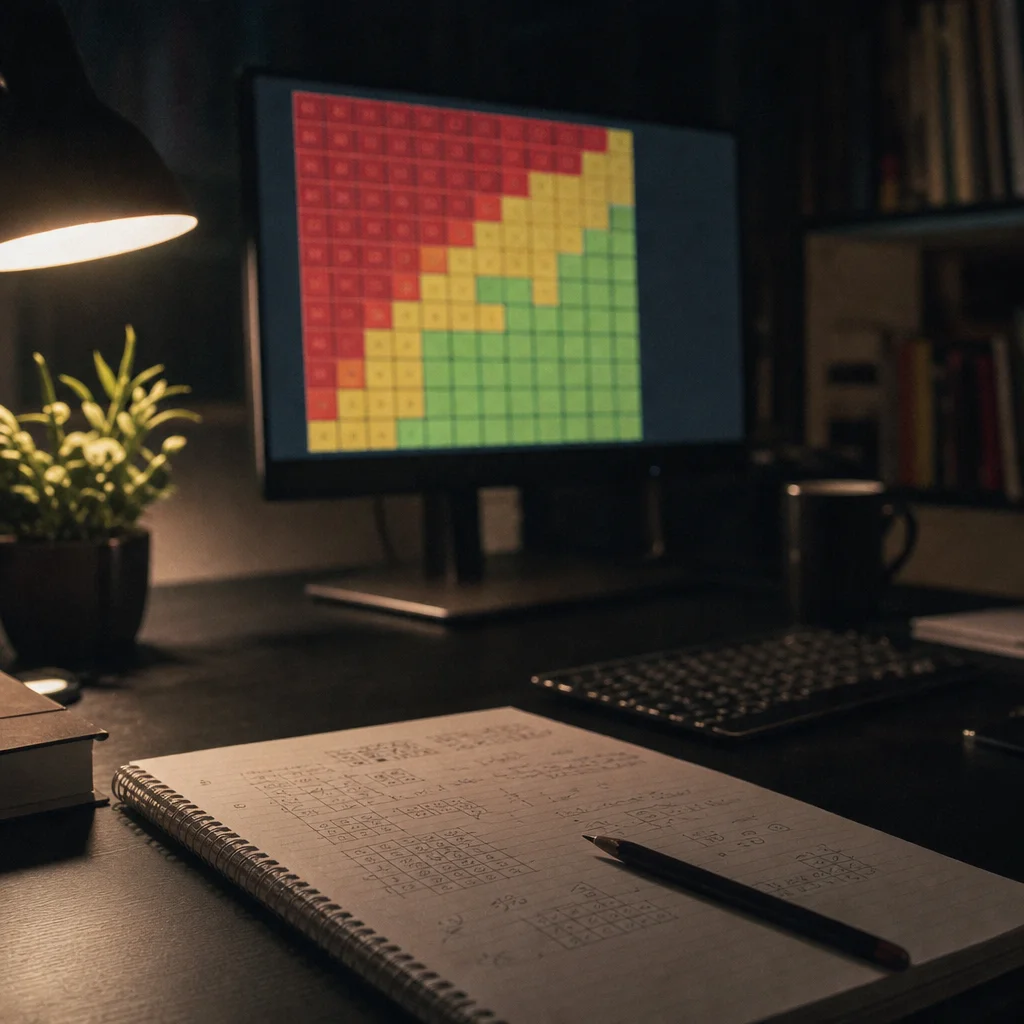
GTO Wizard isn't one feature — it's three, and knowing which one you're touching matters. The Trainer drills you against solved ranges with instant feedback, scored like a quiz. GTOWizard Live overlays chart lookups during study sessions off actual hand histories, letting you review a session against solver-approved lines. And the preflop and postflop chart library is just raw reference: open a spot, see the mixed strategy, done.
To use the trainer well: pick one position and one bet-sizing tree, drill fifty hands, then review only the misses. Don't drill everything at once — that's how players memorize noise instead of patterns. To use GTOWizard Live: import your hand history, filter for spots where your action diverged from the solver's, and study only those. Everything else in the session was fine.
GTO Wizard Cost: Free, Starter, Premium and Elite
Now the drill answer from earlier: most solvers check back second pair on that blank turn, mixing in a small stab maybe a third of the time with the nuttiest combos. If your instinct was "always bet" or "always check," that's exactly the gap a trainer closes — not by memorizing this one hand, but by running the pattern until it's automatic.
On gto wizard cost: the platform runs a free tier with limited daily trainer hands and restricted solution depth — enough for a real gto wizard demo, not enough to build a study habit. Paid tiers (Starter, Premium, Elite) scale up solution coverage, unlock GTOWizard Live, and raise or remove daily trainer caps. Elite adds the deepest tree access and the most formats, aimed at players who study across cash, MTT, and shorthanded formats in the same week. Whether Elite is worth it depends entirely on volume: a grinder studying daily earns that back in mistakes avoided over a single session's rake; someone playing a few sessions a month almost certainly doesn't need the top tier and would get more value staying on Premium.
What a Coupon Actually Saves You
If your actual bottleneck isn't chart lookups but decision speed at the table across several tables at once, that's a different problem than what GTO Wizard solves — worth being honest about before you subscribe to the wrong tool. Products built for in-hand play, like NZT Poker's GTO Poker Bench, target that different problem, though they carry their own terms-of-service risk that a study tool never does.
GTO Wizard vs. Solving It Yourself
If you want to run your own solves — node-locking villain ranges, testing exploit lines against a specific population read — that's a local solver's job, and we cover that workflow in our PioSolver guide. GTO Wizard trades that control for speed: you can't node-lock a custom range, but you also don't wait forty minutes for a river solve to finish.
If the theory itself — why solvers mix strategies, what equilibrium play even means — is what's unclear, that's foundational ground our GTO poker fundamentals guide covers properly. This page assumes you already know what a solver output represents and just want to know how to use one efficiently day to day.
GTO Wizard Alternatives Worth Knowing
GTO Wizard isn't the only trainer on the market, and treating it that way would be dishonest. PokerSnowie built its name on a neural-network approach rather than exhaustive solving, and remains a legitimate pokersnowie alternative comparison for players who want a different training philosophy — its engine infers strategy from pattern recognition rather than pure game-tree solving, which produces slightly different postflop lines in some spots. Some study groups still run shared PioSolver seats and skip subscription trainers entirely, trading convenience for full control over the ranges, bet sizes, and rake structures they solve. Neither approach is objectively better — they answer different questions about the same game.
| Tool | Runs Solves Locally | Best For |
|---|---|---|
| GTO Wizard | No — precomputed database | Fast chart lookup and drilling |
| PioSolver | Yes | Custom node-locked solves |
| PokerSnowie | No — neural network model | Alternative training philosophy |
Getting the Most Out of the Trainer
The single biggest mistake I see: drilling random spots with no plan, then blaming the trainer when nothing sticks. Pick a leak you actually have — say, over-folding the big blind to steals — build a session filtered to exactly that spot, and drill it until your instinct matches the chart without checking. That's the whole method. Isn't it strange how the fix is almost always narrower than the problem felt?
- Pick one leak, not a whole street or a whole position range
- Filter the trainer to that exact spot before you start drilling
- Run at least 50 reps before judging whether the pattern stuck
- Review only the hands you missed — the ones you got right taught you nothing new
- Re-test the same leak a week later to confirm it's actually fixed
A gto wizard guide that only lists features and skips the honest cost-benefit misses the point. The trainer is fast, the chart library is deep, and the Live tool closes the loop between study and your actual sessions — but none of that replaces the fifty focused reps that turn a chart into an instinct you can use four-tabling at 2 a.m. That's the part no subscription tier buys for you.
Comparing Study Tools to In-Hand Tools?
If you're weighing pre-session study against in-hand assistance, NZT Poker's GTO Poker Bench targets a different problem entirely.
See NZT Poker's GTO BenchDisclosure: This page contains affiliate links. We may earn a commission at no extra cost to you.