Small Blind and Big Blind: Rules, Order and Play
The small blind and big blind are the two forced bets that start every hand of Texas Hold'em before a single card is dealt. If you're learning table procedure for a home game or moving to your first online table, small blind big blind rules are the foundation everything else sits on. This guide covers posting order, how much each blind pays, how the button rotates the blinds around the table, and the dead-blind situations that catch new players off guard — the same mechanics a live odds tool like NZT Poker assumes you already understand before it's useful. For how these positions affect strategy once cards are dealt, our guide on position in poker covers that separately. (see blind (poker) on Wikipedia).
What Are the Small Blind and Big Blind?
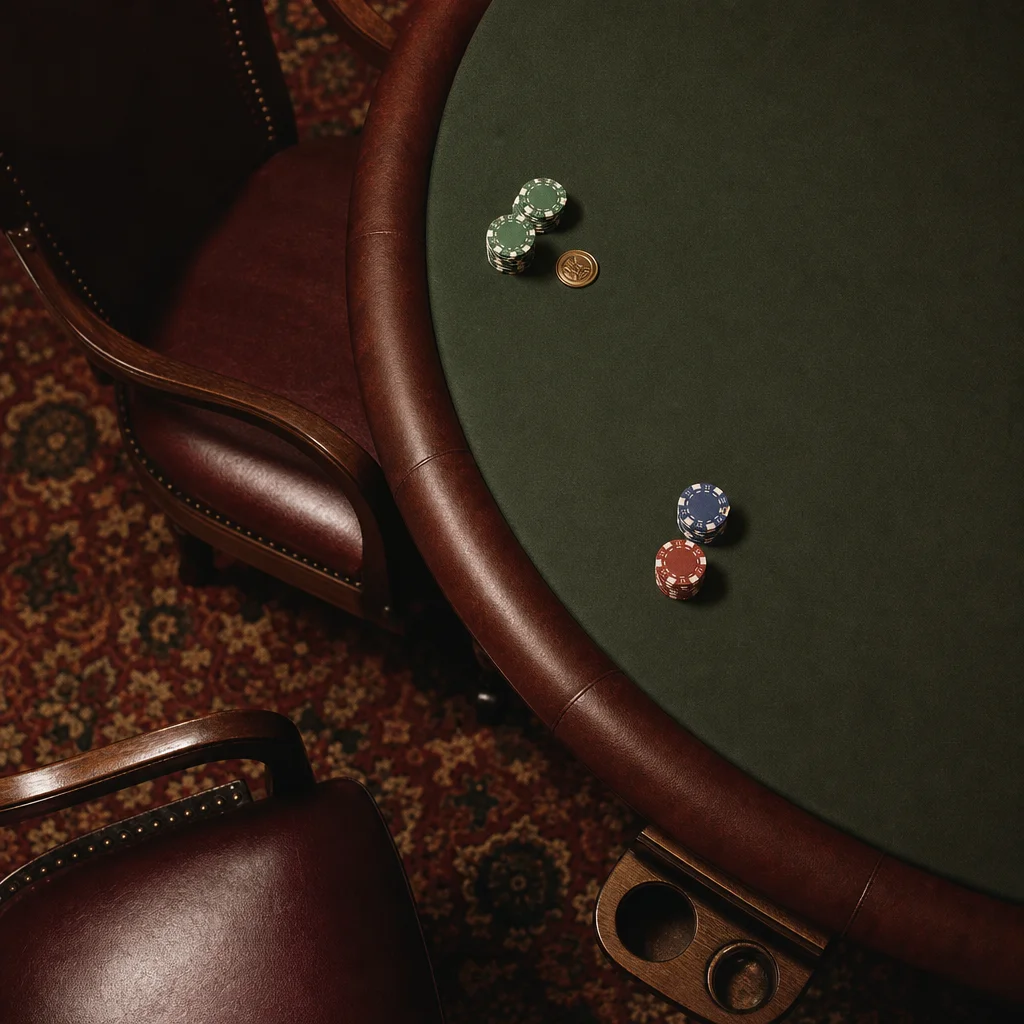
A blind is a forced bet posted before the cards come out, and it exists so there's already money in the pot to play for. Without blinds, a table of patient players could fold hand after hand and never build a pot worth fighting over. The small blind and big blind rules solve that by making two players pay before they see their cards — everyone else acts only once they've looked.
Small Blind Big Blind Order: Who Posts First
Posting order is fixed relative to the dealer button, and it never varies: the small blind sits directly to the button's left, and the big blind sits directly to the small blind's left. So is small blind or big blind first? The small blind posts first, then the big blind, then dealing starts. In a full ring game the button, small blind, and big blind are three different players — heads-up is the one exception, covered further down.
The full posting-to-dealing sequence runs in a fixed order every single hand:
- Dealer button is placed or passed to the next active seat clockwise.
- Small blind posts, seated immediately to the button's left.
- Big blind posts, seated immediately to the small blind's left.
- Hole cards are dealt to every player, starting left of the button.
- Preflop betting begins with the player immediately left of the big blind.
Small Blind and Big Blind Amounts
The big blind sets the stake level a table plays at — a "$1/$2" game means the big blind is $2. The small blind is normally half the big blind, so a $1/$2 game posts a $1 small blind and a $2 big blind. Some rooms round the small blind up at odd stakes ($1/$3 games often post a $1 small blind rather than $1.50), so the exact ratio can shift slightly by house rule even though the underlying big blind small blind setup stays the same idea everywhere.
Here's how that ratio typically looks across common stake levels:
| Stake Level | Small Blind | Big Blind |
|---|---|---|
| $1/$2 | $1 | $2 |
| $1/$3 | $1 | $3 |
| $2/$5 | $2 | $5 |
| $5/$10 | $5 | $10 |
Quick Rule of Thumb
Does the Small Blind Have to Match the Big Blind?
Does small blind have to match big blind before the flop? Not on the first action — the small blind posts its smaller forced amount and that's the extent of the obligation at post time. Preflop betting then proceeds around the table, and when action reaches the small blind again, it must call the full big blind (or more, if there's been a raise) to stay in the hand, exactly like any other player facing a bet. The two blinds are simply different-sized opening wagers, not a matched pair.
How the Button Rotates the Blinds
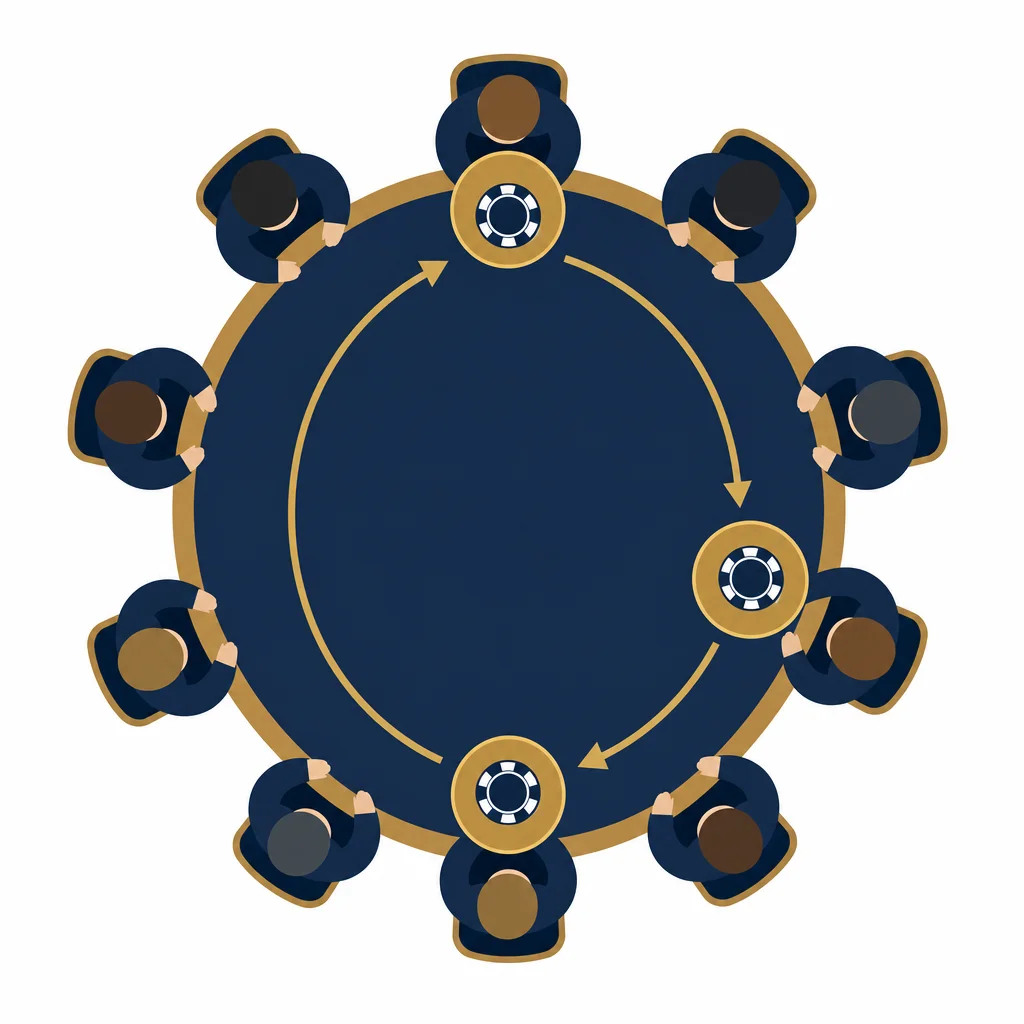
The button — technically the dealer button — moves one seat clockwise after every hand, and the two blinds move with it. The player who was big blind last hand becomes the small blind this hand, assuming the seat is still occupied; the seat to their left becomes the new big blind. That rotation is what makes the game fair over a session: every seat pays the blinds in turn, so no one player carries the forced-bet cost more than anyone else across enough hands.
Once you've got the posting order down, the next skill is working out whether a call is worth the price the big blind (or a raise over it) is asking. Some players do that math by hand, some lean on a HUD for opponent tendencies between hands, and some use a live assistant — NZT Poker is one such tool, among others on the market. Worth flagging: real-time assistance is against the rules on most platforms that support it, so check your room's terms before using one.
Heads-Up Blinds: The One Exception
Heads-up play flips the usual order. With only two players, the button posts the small blind and acts first before the flop, while the other player posts the big blind and acts last preflop — the opposite of a full table, where the big blind acts last only preflop and the button acts last on every later street. This single exception is the one place new players consistently misapply the standard little blind big blind meaning they learned at a full table.
Dead Blinds and Missed-Blind Situations
A dead blind comes up when a player sits down mid-orbit or returns from an absence, and rooms handle it a few standard ways. The most common rule: a player joining between the blinds must either wait for the button to pass or post both blinds — one live, one dead — to play immediately. A dead blind goes into the pot but doesn't count as a bet the poster can act behind, so it's collected but not treated as their action for the round. Missed-blind rules vary by room, so it's worth checking house rules before sitting into a game mid-hand.
Setting Up Blinds in a Home Game
Running a home game means someone has to track the button and call out the blinds each hand, since there's no software doing it automatically. A physical dealer button (even a coin) passed clockwise after every hand keeps the small blind big blind setup honest, and calling the amounts out loud before dealing avoids arguments about who owed what. If you want to play a hand out to see how the posting order plays into the actual betting, our guide on preflop ranges picks up from here — this page is deliberately just the mechanics.
The small blind and big blind rules are simple once you've watched a full orbit: two forced bets, fixed seats relative to the button, and a rotation that keeps the cost fair over a session. Get the posting order and the button rotation right, and the rest of preflop play — who acts when, who's already invested what — falls into place on its own. From here, the natural next steps are learning how position affects the hands you should play and how to defend your big blind against raises, both covered on their own pages.
Want In-Hand Odds Help?
One option worth exploring if you want live pot-odds and equity readouts during a hand.
See NZT PokerDisclosure: This page contains affiliate links. We may earn a commission at no extra cost to you.