Bluffing in Poker: Types, Semi-Bluffs & Bluff Catching
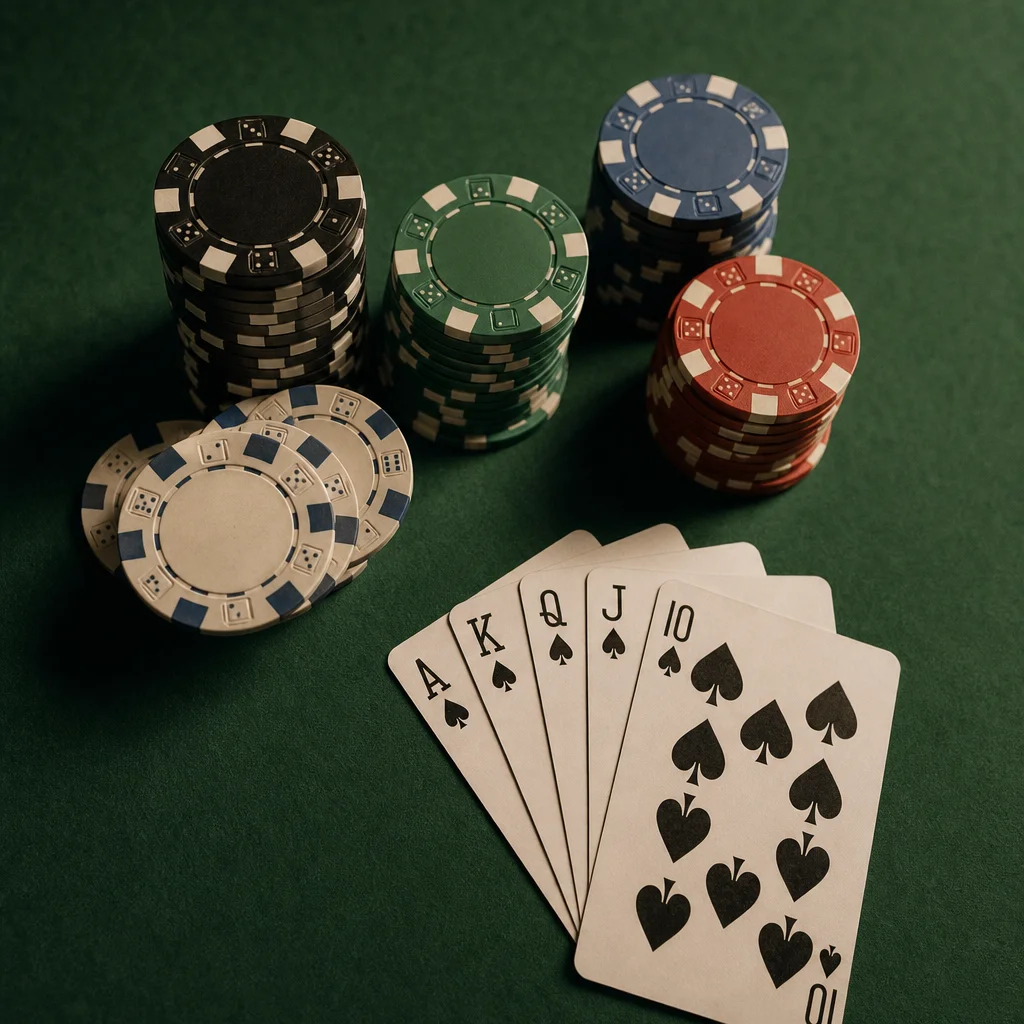
Bluffing poker is the act of betting or raising with a hand that has little to no chance of winning if called, hoping your opponent folds a better hand. You've probably done it already — pushed a bet out with nothing and watched someone fold, or gotten called and felt your stomach drop. What you likely haven't done is sort those moments into categories, because most players never learn that a bluff and a semi-bluff are different tools solving different problems. This piece breaks down the hand classes: pure bluffs, semi-bluffs, and the bluff catchers that beat them. For sizing, timing, and how often to bluff, that's a separate question — see our guide on how to bluff in poker. (see bluff (poker) on Wikipedia).

What Is Bluffing in Poker, Really
At its core, a bluff poker play is a bet that only wins if your opponent folds. Your hand has no showdown value — or close to none — so the pot only comes your way through fold equity. That's the whole mechanism. There's no hidden trick beyond betting a size your opponent believes came from a strong hand.
The categorisation that actually matters is where a bluff falls on the equity spectrum. A hand with almost zero chance to improve is a pure bluff. A hand that's currently behind but could become the best hand on a later card is a semi-bluff. Knowing which one you're holding changes everything about how you should think about the bet — even before you get to sizing or frequency.
Pure Bluffs: Betting With Nothing
A pure bluff is a bet with a hand that has no realistic path to winning at showdown. Think a busted gutshot on the river, or a hand that missed every draw by the final card. There's no more equity to pick up — this is the last chance to win the pot, and it only works if the story your bet tells is convincing.
Pure bluffs live almost entirely on the river, because that's the street where equity has stopped growing. A river bluff with 7-high succeeds or fails on fold equity alone. Earlier streets rarely support a pure bluff on their own — a hand with zero equity on the flop is usually better off checking, because there's still a card to come that could turn it into something with outs.
Quick Distinction
Semi-Bluffing: Betting With a Backup Plan
Semi bluff means betting a hand that's currently behind but has real equity to improve — a flush draw, an open-ended straight draw, a combo draw with both. You're not just hoping for a fold. If you get called, you still have outs to make the best hand on a later street. That's the entire appeal: two ways to win instead of one.
Take a flush draw on the flop against an unknown opponent. The default line is to bet it, not check it, because a bet does two jobs at once — it can win the pot immediately through a fold, and if called, it keeps you drawing to a hand that can win at showdown too. Now take the same flush draw from out of position facing a pot-sized raise instead of a check. The hand hasn't changed, but the plan has: calling to see the next card gets more expensive relative to your equity, and folding becomes reasonable against most unknown ranges. The cards stayed identical — the position and the price changed the decision.
If you want to see the equity behind a semi-bluff instead of estimating it, a probability calculator built into a table tool — NZT Poker is one option that does this — computes pot odds and outs for the exact spot in front of you. It's one way to check your read against the pool's tendencies, not a replacement for knowing why the bet works.
Bluff Catching: The Other Half of the Equation
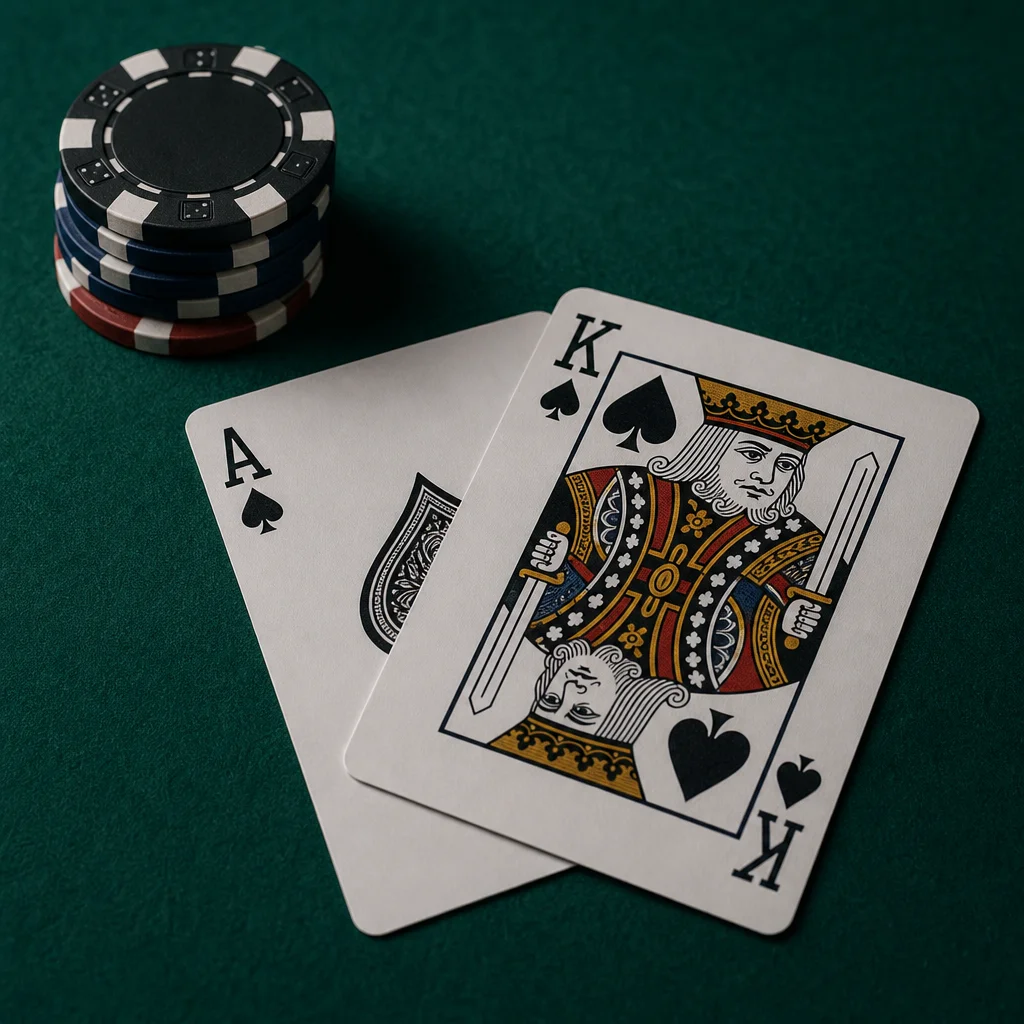
A bluff catcher poker hand is a holding that beats bluffs but loses to value bets — usually a medium pair, a weak two pair, or a hand like third pair with a decent kicker. It has no business calling a strong range, but against a bluff, it's the winning hand. Bluff catching in poker is the skill of identifying when your hand qualifies for that role and calling anyway.
Bluff catching only works if you're honest about frequencies rather than reads. Most low- and mid-stakes pools under-bluff relative to their sizing, which means a hand that's "just" a bluff catcher is often good enough to call when the price is right. The math comes from pot odds — you need to be right often enough to cover the times you're wrong — not from a hunch about this particular opponent.
The table below sums up the three hand classes covered here — pure bluffs, semi-bluffs, and bluff catchers — and how each one relates to equity and fold equity.
| Bluff Type | Hand Equity | Wins By | Example |
|---|---|---|---|
| Pure bluff | Near zero | Fold only | River bet with a busted draw |
| Semi-bluff | Live outs, currently behind | Fold or improving on a later card | Flush draw bet on the flop |
| Bluff catcher | Beats bluffs, loses to value | Calling correctly | Medium pair calling a river bet |
Poker Bluff Math: When a Bluff Pays
Poker bluff math is simpler than it sounds. A bluff needs to work often enough to cover the times it gets called and loses. If you bet the size of the pot, you need the bluff to succeed slightly less than half the time to break even — call it roughly 33% for a full-pot bet, since you're risking one unit to win two. Smaller bets need lower success rates; bigger bets need higher ones.
This is also why bluffing examples from big pots on television are misleading as a learning tool. A well-timed river bluff against a bluff catcher isn't a stroke of nerve — it's a bet where the required fold frequency was already favorable given the sizing and the range on the other side. The math sets the bar; reading the opponent only tells you whether you clear it.
Bluffing isn't free money — it's a tool with real tradeoffs. Here's the honest balance sheet on leaning on bluffs as part of your game.
- Semi-bluffs add a second way to win a pot beyond just having the best hand
- A credible bluffing range makes your value bets harder to read and call correctly
- Pure bluffs let you win pots your cards alone never would
- Pure bluffs have no backup plan — if called, the pot is gone
- Over-bluffing against pools that call too much turns a tool into a leak
- Bluffing well requires reading board texture and bet sizing correctly, which takes practice
Sorting your bets into pure bluffs, semi-bluffs, and the bluff catchers that beat them is the first real step toward thinking about bluffing poker as a system instead of a gut call. None of this tells you how often to bluff or what sizing to use against a specific opponent — that's a sizing and frequency question, covered in our how to bluff guide. It also doesn't cover the check-raise as a bluffing line, which gets its own treatment on our check-raise strategy page. What matters here is the category. Once you know whether you're holding a pure bluff, a semi-bluff, or a bluff catcher, the rest of the decision gets a lot more mechanical.
Want to Check Your Bluff Equity Live?
NZT Poker's calculator estimates pot odds and outs for the exact hand you're in.
Explore NZT PokerDisclosure: This page contains affiliate links. We may earn a commission at no extra cost to you.